7 January 2026

Pilot gig rowing in the UK

A middle-aged man wearing glasses and a white shirt stands against a plain white background, looking at the camera.
By Quinton Hall Marine Business Development Manager
Six people rowing on open water beneath cloudy skies, with a nod to RIB Winterising in the large white graphic on the left.

A coastal sport uniting communities through fitness, fun, and teamwork.

Pilot gig rowing is a much loved sport in the UK, with pilot gig clubs found in numerous seaside and harbour towns around the coast of the UK, particular in Cornwall. With plenty of competitions at all levels, gig racing isn’t just for experienced rowers, with a high level of fitness, it’s a welcoming community sport where people of all ages and abilities can get involved, work as a team and build fitness, all whilst enjoying being out on the water.

We chatted to gig clubs around the country to find out more.

What are pilot gigs?

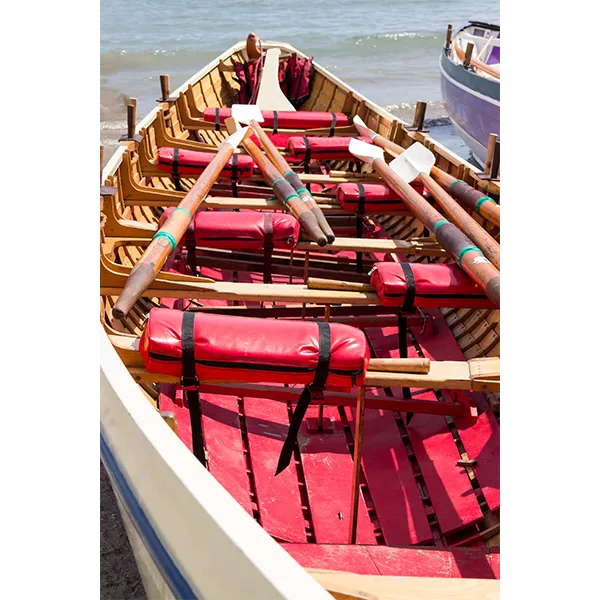
Gigs are traditional six-oared rowing boats, 32 feet long and 4ft 10” wide, and built from local hardwood, such as Cornish elm, to a design that dates back more than 200 years. Originally, they were working boats used in Cornwall and the Isles of Scilly to carry harbour pilots out to incoming ships, to safely guide them into port. The first gig to reach the vessel won the job, so speed was crucial.  In the past, each newly built gig was put through its paces by racing it against the local fleet. What began as simple performance tests soon evolved into friendly competitions between crews, and over time these informal contests developed into the sport now known as gig racing.

Each gig is powered by a crew of six rowers and one coxswain (often called the cox). Teamwork is key to keeping the boat balanced, fast, and on time. The cox, who faces the rowers, has the job of steering the boat whilst calling commands that keep the team in sync through every stroke and turn.

Wooden rowboat with red padded seats and oars, perfect for RIB winterising, positioned on the shore by the water.

Fun Fact - The boat that inspired them all

“Treffry”, the Cornish pilot gig whose design and specification has inspired every gig built since, was built in 1838 by the Peters family of Polverth, St Mawes and was designed to be the fastest gig ever built.  She is still raced today by Newquay Rowing Club. Nearly two centuries old, she’s proof that traditional craftsmanship really does stand the test of time.

Why try gig rowing?

Gig rowing offers the perfect blend of history, fitness and teamwork. Training in a crew develops strength and endurance, but it also builds teamwork and trust. Clubs often describe themselves as close-knit communities where friendships are forged on and off the water. The racing scene is thriving too, with regattas all summer long and the famous World Pilot Gig Championships held every spring in the Isles of Scilly.

Fun Fact - The world’s biggest gig gathering

Every May, more than 140 gigs and over 3,000 rowers descend on the Isles of Scilly for the World Pilot Gig Championships, turning the islands into a sea of colour, cheering, and competition. It started in 1990 with only 19 boats!  This event doubles the population of the Isles of Scilly, which only has in the region of 2,300 inhabitants.

How to get involved

The best way to get involved is to contact your local gig rowing club. A large list of clubs is available at CPGA Club Directory or simply search “Pilot gig rowing clubs near me”.

Most clubs run novice or taster sessions, meaning anyone can give it a go to see if they like it, before committing.  These taster sessions often involve one or two beginners joining a boat with experienced rowers and an experienced coxswain. This setup gives newcomers a feel for the rhythm of the crew and allows them to experience the sport in a safe, supportive environment before committing to a regular training schedule.

Enjoyed the taster session?  For many clubs, beginners start as part of a dedicated “newbie” crew for their first six to eight weeks before moving into a regular team.  We chatted to some clubs to find out more about their novice sections:

  • Rock Rowing Club – offers “have-a-go sessions” to introduce the club and sport to new members.
  • Devoran Pilot Gig Club – runs a six-week Learn to Row course during the summer and additional taster sessions in winter, when conditions allow.
  • Mevagissey Gig Rowing Club – makes it easy to get involved, running “novice evenings every Wednesday during the summer,”
  • Weymouth Gig Club – run taster sessions which you can sign up to via their website.
  • Port Isaac Gig Club – run a three-step introduction called “Ready Steady Go.” The first stage takes place on land and includes an introduction to the club, an outline of expectations, safety discussions, and a small amount of paperwork. The second step involves rowing on the river with an experienced crew to practise the basics in calm conditions. The final stage moves out onto open water, carefully planned for a calm day to build confidence and prepare new rowers for regular training sessions.
  • Bridport Gig Rowing Club – training follows a structured path. They run a “Learn to Row” process, comprising one session off the water, which allows them to assess whether new rowers are likely to have sufficient strength to row effectively. Followed by a four-session, on-water Learn to Row course.
  • Flushing & Mylor Pilot Gig Club – Have a mandate from Sport England to encourage new people into outdoor activity, and half of their new members have never rowed before.
  • Eastney Cruising Association – have a very active newbie section which promotes rowing training and taster sessions. These sessions help newcomers build skills and confidence before progressing further.
  • Padstow Rowing Club – After completing the novice sessions, they offer progression to either the competitive rowing crew or a less competitive club row/social team.


Rowboats with passengers glide across calm water, surrounded by buoys—perfect for RIB winterising season.

What to bring, and what to expect from your first few sessions

Before heading out on the water, it helps to know what to bring and what to expect from your first few sessions. You don’t need any previous rowing experience, just a good attitude and a bit of patience. As Rock Rowing Club puts it, “Bring a smile!”

Ideally, you should be able to swim 50 metres, although most clubs are happy to get you out on the water provided you sign a waiver and wear a lifejacket.

According to Brixham Gig Rowing Club, “It’s helpful if people can swim. However, it’s very difficult to turn a gig boat over, and we have regular training sessions with the Brixham RNLI”.

Can anyone try it?

Because crews often carry the gigs to and from the water, a reasonable level of strength is useful. Bristol Gig Club suggests, “If you have health considerations, we recommend you check with your doctor first.”

Don’t let that put you off.  Padstow Rowing Club says, “Rowing is a high-intensity sport, but it’s also a great way to improve personal fitness. The club provides training rows at different levels so there’s a place for everyone.”

Fun Fact - The queen of Cornish rowing

Did you know that one of Britain’s first female rowing champions came from Cornwall? Ann Glanville, born in Saltash in 1796, led an all-women’s crew that regularly beat men’s teams in races across the country,  and even impressed Queen Victoria. Known as the “Queen of the Oars,” she became a local legend and a trailblazer for women in rowing.

What to wear and bring?

Simple and practical kit is best. Here are some recommendations and top tips from some of the gig clubs that we spoke to, which cover every weather eventuality!

  • Helford River Gig Club – Comfortable gym attire and a hoodie are fine. You are likely to get wet feet.
  • Dart Gig Club – Wellies for launching and then trainers to change into whilst you row.
  • Paignton Amateur Rowing Club – Bring a water bottle and a dry bag, if possible, to keep your phone and keys dry on the gig.
  • Portreath Gig Club – bringing gloves can help prevent blisters, and bring layers as it can get cold between sets on the water.
  • Weymouth Gig Club – Bring sunglasses if it’s sunny.
  • London Cornish Pilot Gig Club – bring a hat in hot weather.
  • Flushing and Mylor Pilot Gig Club – bring a waterproof top if it looks like rain, as well as beach shoes or footwear that can easily be slipped on and off when launching.

Clubs provide the boats and oars, and many are happy to lend lifejackets and basic kit until you are ready to invest in your own. Helford River Gig Club adds, “Bring a willingness to support your club and get involved. Most clubs are run by volunteers, so it’s up to everyone to look after the equipment, help with events, and care for fellow rowers.”

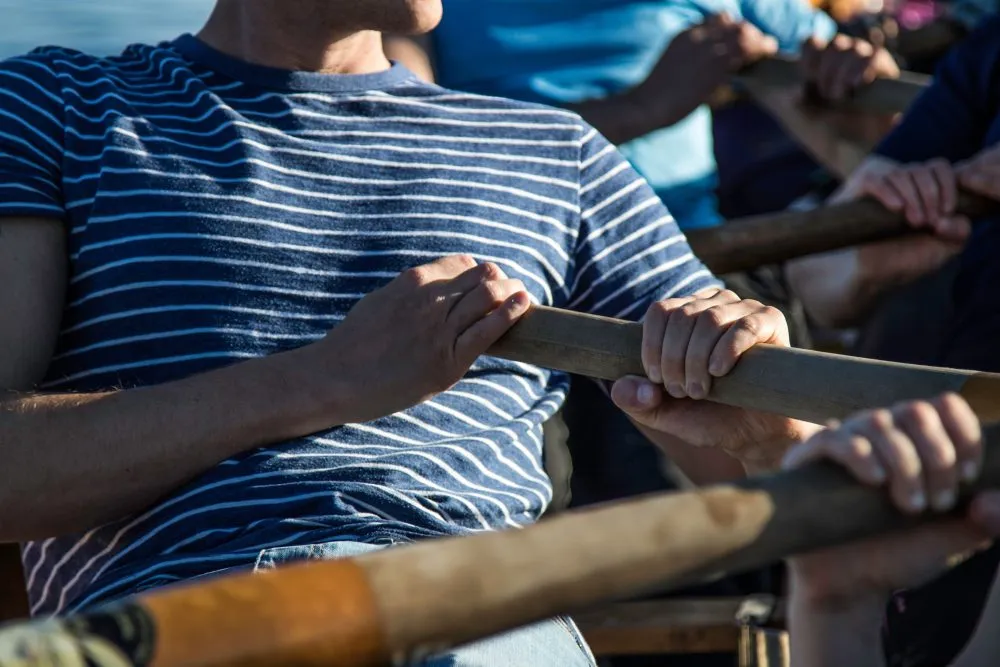
Close-up of people rowing together in a boat, their hands gripping wooden oars—ready for RIB Winterising.

What age do I need to be to take part in gig rowing?

One of the best things about gig rowing is that age really doesn’t matter. Races take place across categories from under 14s to Masters (60+), proving that this truly is a sport for all generations. Most clubs have teams for each age group.

Officially, you can start gig rowing from the age of 12 and continue for as long as your body allows. Many clubs have members well into their 80s and beyond, still taking to the water. Here is what some of the clubs told us:

  • Rock Rowing Club and Bristol Gig Club – we currently have members in their 90s, proof that once you start rowing, you might never want to stop!
  • Helford River Gig Club – We sometimes include rowers under 11 if they have an interest in rowing, experience of water sports, or have the stature to start rowing.
  • Bridport Gig Rowing Club – Juniors start at 12 and the oldest we’ve had recently was in their 70s.
  • Lyme Regis Gig Club – the membership currently spans a range from 8 to 81 years, with 8–12 year olds taking part in skiff rowing before moving up to gig rowing when they are big and strong enough.

Some clubs only run adult teams for those aged 18 and over, but if you’re younger than 18, you won’t have to look far for a club.

How often do you need to train?

The gig racing season runs from March to the end of September, but training takes place all year round. Clubs adjust training in the winter months, and practice is always called off if the conditions are too dangerous.

  • Bridport Club rows all year round with winter rowing taking place on a lake.
  • Rock Rowing Club trains all year round, through sun, rain, hail, and snow.
  • Lyme Regis Gig Club – during poor weather, they train in their gym using rowing machines and weights.

Other clubs also offer indoor workout equipment instead of on the water sessions throughout the winter, with Brixham holding “circuits classes and training sessions on rowing machines”.

A typical training session involves warm-ups, rowing drills, and practice runs out on the water – sometimes in the shelter of a harbour, other times out in open seas where conditions are more challenging. Frequency depends on the club and level, but crews preparing for racing often train two or three times a week. Helford River Gig Club told us that “non-competitive teams train in daylight hours and competitive rowers train on Saturday and in the evenings in the gym”.

It doesn’t take long to progress from training to racing. Some beginners find themselves competing at local regattas within their first season. Others prefer to build up confidence before joining a competitive crew. Bristol Gig Club recommends 7-8 weeks in the ‘newbie’ squad before you progress into the Open Rows.

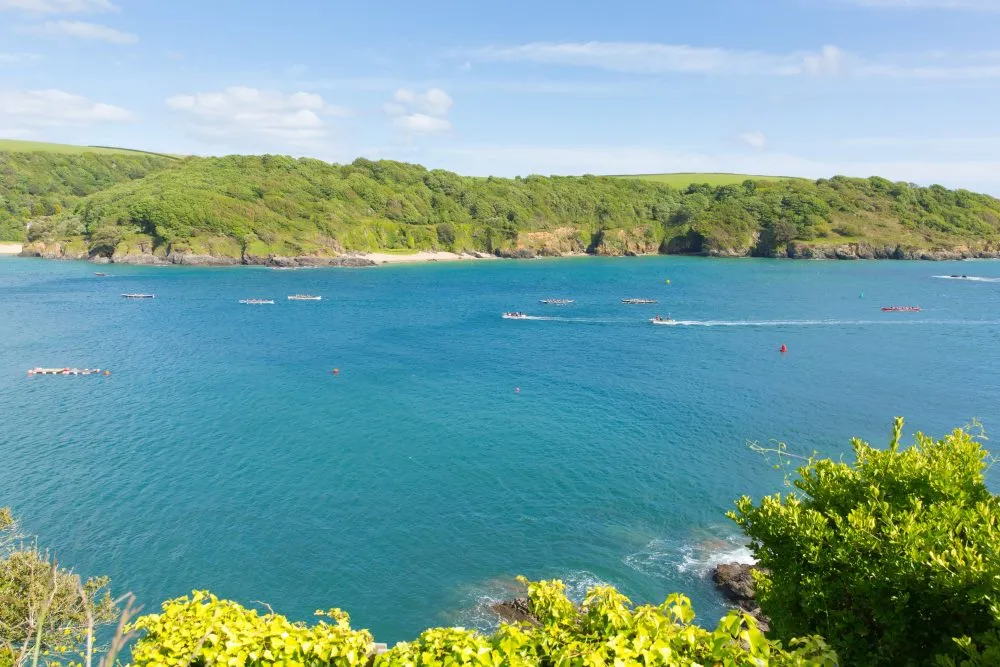
Rowing boats cross a calm blue bay, overlooked by green hills—an ideal scene for RIB winterising preparations.

Gig racing

Once you’ve mastered the basics, it’s time to step into the world of competition. Racing is generally divided into open, men’s and women’s crews and further categorised by age. Competitive racing includes Juniors (under 14 and under 16), under 25s, under 40s, Veterans over 40, Super Vets over 50, and Masters over 60, with men’s, women’s, and open races within each category. Social rowing, on the other hand, tends to be a mix of men’s, women’s, and combined crews, making it an inclusive way to enjoy the sport at a more relaxed pace.

The racing calendar is packed with events running throughout the year. The season traditionally kicks off in March with the Three Rivers Race, organised by the Helford River Gig Club, followed by a steady stream of regattas that stretch across the summer months. Coastal towns and villages in Cornwall, Devon, and Dorset host club regattas where visiting crews line up alongside home teams for a day of high-energy racing and friendly competition. Weymouth Rowing Club shared that their calendar for this year alone featured more than 60 events, showing just how busy and vibrant the gig rowing circuit can be.

Although most regattas take place between spring and autumn, some regions keep the momentum going through the colder months. Rame Gig Club explained that there is racing in the winter for the nine clubs in their area, proving that dedicated rowers will brave almost any weather to stay on the water.

For those looking to take things to the next level, gig racing also features major championships and league events. The most prestigious of all is the World Pilot Gig Championships, held every May in the Isles of Scilly. Attracting over 140 gigs from across the UK and overseas, it’s three days of exhilarating racing in one of the most scenic settings imaginable. The Cornish Pilot Gig Association (CPGA) also coordinates county and national-level competitions where the strongest clubs compete for rankings and bragging rights. Portreath Gig Club explained that “once a crew is selected for a championship event, they will train together, whether that is for six weeks or as long as six months, for the World Championships.”

Other notable races include the Great London River Race, which offers rowers a chance to take on a completely different challenge, and countless regional events that showcase the diversity and dedication of the gig rowing community.

Together, these competitions form a racing season that combines grassroots inclusivity with top-tier competition, making gig rowing a really exciting and accessible coastal sport.

What happens around the rowing?

While the thrill of racing draws many people in, clubs are quick to point out that gig rowing is as much about community as it is about competition. Barbecues after training, fundraising events, and weekends away for regattas all play a big part in club life. Many rowers say the friendships formed are every bit as important as the sport itself. As Appledore Pilot Gig Club shared, “Members of the rowing club often support each other in times of hardship and joy, stepping up not just for their club but for their crew mates.”

Most clubs are entirely run by volunteers, so social events often double up as ways to raise funds or get jobs done around the boathouse. Paignton Amateur Rowing Club, for instance, hosts a cheerful Christmas Eve social row, while Flushing and Mylor Pilot Gig Club’s social rowers often include a coffee stop halfway through their outings. Exmouth Gig Club mixes fun and fitness with regular rows to Topsham for breakfast, summer evening barbecues on the beach, and even trips to nearby pubs.

The family-friendly nature of the sport is another big draw. Rock Rowing Club explained, “It’s so family-friendly. At all the events and regattas over the season, everyone can bring their family for a day on the beach.” Padstow Pilot Gig Club agreed, saying, “Most regattas end with a pint and a laugh, sharing stories and memories between rowers from all over.”

Port Isaac Rowing Club keeps the camaraderie going year-round with a relaxed “after-row” social on Thursday evenings and a lively calendar of activities, including bingo nights, quizzes, hikes, and parties that continue well into the winter months. It’s this strong community spirit that keeps so many rowers coming back, long after the racing season ends.

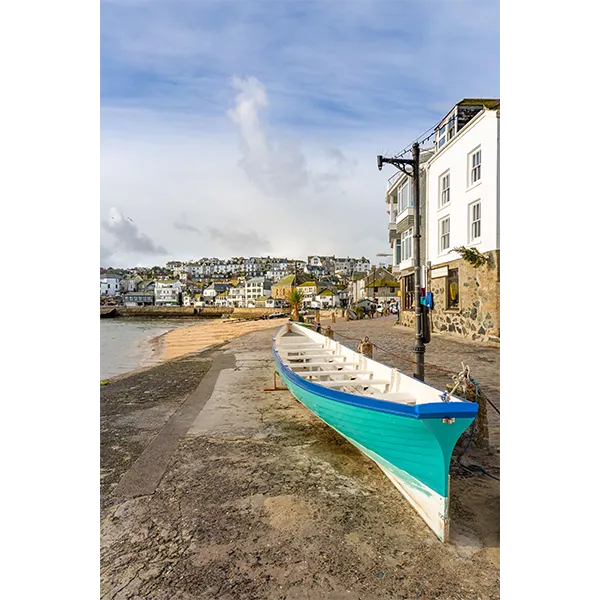
A turquoise rowing boat rests on a paved shore, evoking thoughts of RIB winterising by the seaside and sandy beach.

How much does it cost?

Membership fees vary, but most clubs keep them affordable. Expect to pay an annual membership fee covering use of the boats and equipment, ranging from £80- £200.  Some clubs offer different levels of membership, such as Mevagissey Gig Rowing Club, who offer a social rowing price of £60 and a full membership of £110. Flushing and Mylor Pilot Gig Club Offer half-price membership for full-time students. Several clubs offer proportional fees if you join mid-season.

There are also additional fees charged for attending events, ranging from £5 at local events to £35 or more for the World Championships. Personal kit (like waterproofs, trainers, or a club-branded top) is usually the only extra expense. Compared to many other water sports, gig rowing is relatively accessible.

Some clubs offer free or heavily discounted offers for the first few rows to enable you to get a feel for the sport before you commit. Helford River Gig Club offers 3 free rows before they ask you to buy a membership.

Fun Fact - Smuggling

When not transporting pilots or acting as lifeboats, Cornish pilot gigs were sometimes used for smuggling. Their speed, seaworthiness, and ability to navigate shallow waters to unload cargo in coves, made them the perfect vessels for evading customs men.

The Cornish pilot gig “Bonnet”, built in 1830, is famous for its history of illicit activities, making as many as 25 smuggling round trips in the 1830s. It travelled the approximately 250 mile (round trip) between the Isles of Scilly and Roscoff, France, to run contraband like spirits and tobacco, effectively outrunning the era’s customs boats.  “Bonnet” is still actively owned and raced today, by St Mary’s Gig Club (Isles of Scilly).

What makes gig rowing so special?

When asked what makes gig rowing special, clubs spoke with real passion about the sport’s unique mix of heritage, teamwork, inclusivity, and fun.

For them, it’s about being out on the water, surrounded by coastal scenery, whilst being part of a team. As Helford River Gig Club put it, gig rowing offers the “freedom of being outside” and the choice “to be highly competitive or simply enjoy maintaining your health and well-being.”

The sport’s deep maritime heritage also sets it apart. Devoran Pilot Gig Club described it as “steeped in tradition and history, rowing in a boat which has not changed its design for over 200 years,” while Lyme Regis Gig Club called it “a sport rooted in maritime history and powered by Southwest coastal community spirit.” Newquay Gig Club echoed this sentiment, saying the gigs are “beautiful vessels to row in,” capturing both the craftsmanship and pride behind each boat.

Gig rowing is also one of the most inclusive sports around. Rock Rowing Club described how “you become part of a team with people you’d never otherwise meet,” with crews made up of everyone from doctors to blacksmiths. Portreath Pilot Gig Rowing Club highlighted that “the fact someone in their 50s or 60s can take up a new sport and be a part of competitive racing is something you rarely get in other team sports.” With racing available for everyone aged 10 and above, it’s one of the few sports that truly spans generations.

The sense of camaraderie and teamwork is another defining feature. Eastney Cruising Association described the “welcoming nature of the club,” while Flushing and Mylor Pilot Gig Club said, “the sense of companionship and teamwork is very real as you all pull together to get the boat moving.” Brixham Gig Rowing Club agreed, describing it as “a mindful sport” where rowers must “fully concentrate in the boat on timing, oar depth, and blade position,” leaving no time to worry about anything else.

There’s also the sheer joy of being out on the sea. Rame Gig Club called it “a great way to get or keep fit” while “smelling the sea air in beautiful boats of unique heritage.” Exmouth Gig Club said it perfectly: gig rowing is “a great way to enjoy the lovely coastal waters in this beautiful part of the UK while spending time with like-minded people.”

For many, gig rowing is more than a sport; it’s a lifestyle. Padstow Rowing Club captured this spirit best: “Aside from the obvious physical benefits of rowing, it can be one of the best things for your mental health. The chance to get out on the water with a group of mates, leaving any stresses and worries on the shore, is vital.” And when it all comes together, the rhythm, the roar of the oars, the laughter after a race, Weymouth Gig Club summed it up perfectly: “The sound of the blades hitting the water together on the start line makes gig rowing stand out. It’s very addictive.”

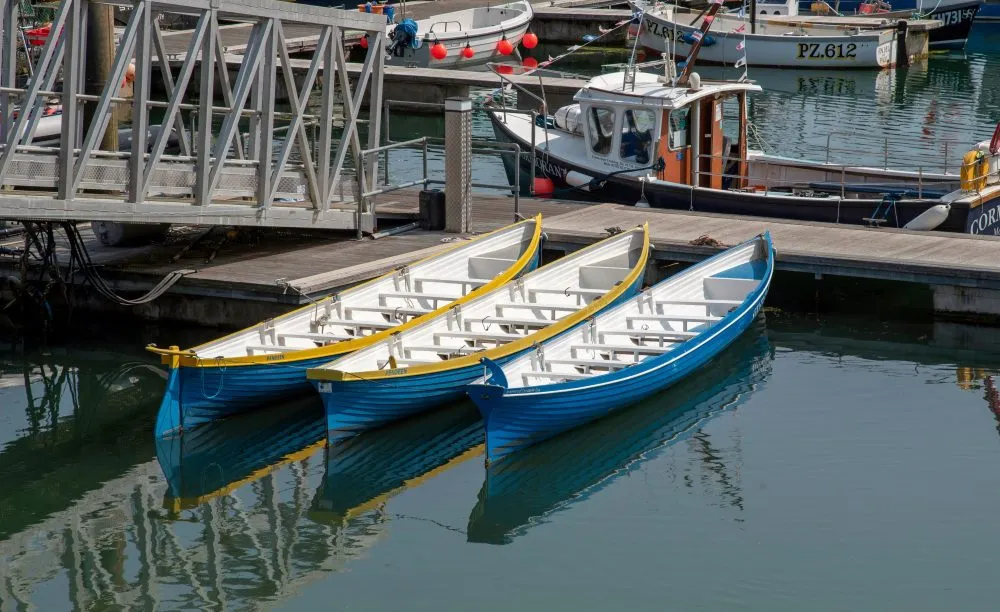
Three blue and yellow rowboats are docked in a marina, near fishing boats and RIB winterising equipment.

Ready to give it a go?

With more than 80 gig rowing clubs across the UK, from Cornwall and Devon to Dorset, Wales, London, and beyond, there’s almost certainly one near you. The CPGA has a full directory of clubs if you’re not sure where to start.

Whether you’re looking to boost your fitness, experience the thrill of racing, or simply enjoy time on the water with like-minded people, gig rowing offers a truly unique and rewarding way to get involved in one of Britain’s most historic sports.

Thank you!

A huge thank you to all the gig rowing clubs who kindly shared their time and insights to help create this article. Their passion, stories, and community spirit perfectly capture what makes this sport so special. If you’ve been inspired to give it a go, you’ll find links to their club websites below. Your first stroke could be the start of something unforgettable.

If you’re part of a gig club helping to keep this tradition alive, our sister company, Haven Knox-Johnston Commercial is here to support your marine trade and business insurance needs – so you can focus on what matters most: rowing and racing.

Need gig boat insurance? Give us a call
01752 485090
Contact us

Latest News